Retail Footfall Analytics: Plan a Pilot That Answers a Store Question
TL;DR: Retail footfall analytics turns defined entrance counts into information a store team can use. Start with one doorway, a clear counting rule and a manual comparison before connecting the results to staffing or campaign decisions. Webbies’ Crowd Analytics is a computer-vision demo that can inform a pilot discussion, not a promise of deployed accuracy or sales growth.

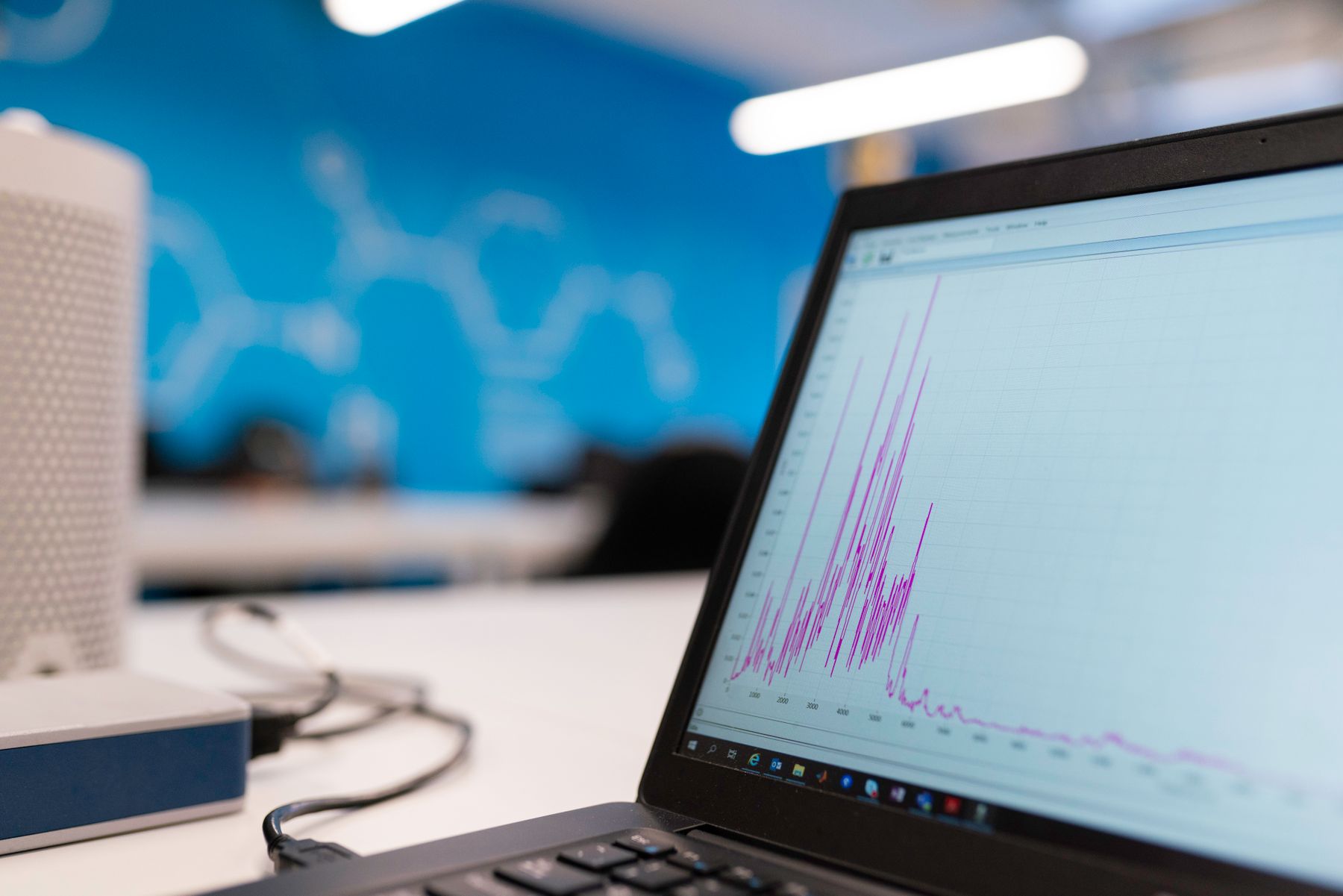
Illustrative photography by Tom Tillhub / Pexels.
Introduction
Your store feels busier, but the team cannot tell whether more visitors arrived or the same visitors stayed longer. Retail footfall analytics can help answer a defined question, provided everyone understands what the count actually measures.
A person crossing a doorway is not automatically a unique customer or a purchase. Staff movements, repeat entries, delivery activity and groups can affect the interpretation. Those details belong in the project brief before a dashboard presents the numbers as business evidence.
Webbies’ Crowd Analytics project is described as a computer-vision demo for counting people and monitoring store entries and exits. This guide explains how to move from that kind of demonstration to a carefully assessed store pilot.
What Is Retail Footfall Analytics
Retail footfall analytics is the collection and interpretation of visitor-count information for a defined retail location and time period.
The collection method may be manual, sensor-based or camera-based. The analysis should follow the business question: comparing busy periods, reviewing entrance activity or planning a staff discussion. A larger number of charts does not make an unclear count more meaningful.
Define the unit before choosing the technology. Entries, exits, estimated occupancy and unique visitors are different measures. A system designed to count crossings should not be described as identifying individual customers unless that is a separate, justified and reviewed capability.
Why the Counting Rules Matter
Before discussing a model or camera, resolve questions such as:
- Which physical line counts as entering the store?
- Are staff movements included in the measure?
- How are repeat entries described in the report?
- Which opening hours and time intervals are being compared?
- What happens when the camera or connection is unavailable?
Clear rules help managers use the information consistently. They also make it possible to investigate an unexpected result. Without them, two teams can look at the same number and reach incompatible conclusions about how the store performed.
How to Design a Store Counting Pilot
Choose one decision to support
Select a question that the store team can act on, such as when to review staffing coverage at a particular entrance. Record the current process and the information available today. Do not begin by promising a complete explanation of customer behaviour.
An illustrative scenario might compare entrance counts across similar opening periods while noting a promotion or unusual event. The result is a prompt for investigation, not proof that a campaign caused every change. Keep that distinction visible in presentations to the business.
Compare collection methods
| Method | Useful starting use | Limitation to assess |
|---|---|---|
| Manual observation | Establishing a short pilot reference | Observer effort and consistency |
| Dedicated counter | Repeated measurement at a defined entrance | Installation and counting assumptions |
| Computer-vision system | Evaluating a camera-based counting workflow | Viewpoint, lighting and difficult crossings |
Axis’s people-counter documentation illustrates why installation and counting-zone design matter. That is an industry reference, not a claim that the Webbies demo uses Axis equipment or shares its operating characteristics.
Test difficult store conditions
Use representative footage or observations with appropriate permission and handling arrangements. Include groups entering together, people pausing at the threshold and changes in lighting. A clear doorway in a short demo is only one condition.
Compare the system with an agreed reference for selected periods. Record the types of disagreement rather than reporting a single flattering score. A missed group and a repeated staff crossing may call for different changes to the counting design.
Connect the measure to a careful report
Label the entrance, period and any data gap. Separate measured counts from estimates and derived calculations. If a business wants to compare transactions with visits, first check that the time periods and counting assumptions are compatible.
Keep the first scope centred on aggregate information where that answers the question. Avoid adding identity, demographic or behavioural inference merely because a technology can attempt it. Review the actual information handling with the appropriate people before deployment.
How Webbies can help
Webbies’ Crowd Analytics demo shows the type of computer-vision counting work the studio explores. It should be discussed as a demonstration, with any live implementation subject to site assessment, testing and operating requirements.
Webbies can help define the counting problem, assess a prototype, design an understandable dashboard and connect the pilot with the store team’s workflow. The business should participate in selecting representative conditions and deciding what evidence would make the result useful. Explore our AI capabilities and IoT work as related areas of the conversation.

Practical Steps Before a Pilot
- Name one store decision and its owner. Record how that decision is made without the new system.
- Draw the entrance boundary and define the count. Write down how staff and repeat crossings are interpreted.
- Collect representative examples with agreed handling arrangements. Include busy and difficult periods.
- Establish a manual reference for selected intervals. Record disagreements using the same rules.
- Prototype the report and missing-data states. Ask managers to explain what the numbers do and do not mean.
- Review the pilot before expanding locations. Keep claims within the conditions that were actually assessed.
Common Mistakes to Avoid
- Calling every entry a unique customer.
- Comparing periods with different opening hours without context.
- Treating a working demo as proof of live accuracy.
- Hiding missing observations inside a total.
- Adding personal identification when aggregate counting is sufficient.
Frequently Asked Questions
Can retail footfall analytics identify individual customers?
Counting and identification are separate capabilities. A project aimed at aggregate entrance counts should not be described as recognising individuals.
How accurate is people counting for retail?
It depends on the method, installation and operating conditions. Establish an agreed reference and evaluate difficult cases before quoting an accuracy figure.
Is store visitor counting the same as measuring sales conversion?
No. A visitor count and a transaction record measure different things, and their definitions and time periods need to be compatible before calculating a ratio.
What affects the pilot budget?
Site conditions, available hardware, installation, information handling and evaluation effort affect the scope. Start with one well-defined entrance and question.
Does store visitor counting replace a manager’s judgement?
No. Counts provide one input to a decision alongside staffing, promotions and local events; the team still needs to interpret the context and decide what to do.
Conclusion
Useful footfall analysis begins with a question and a counting rule that the store understands. Test a small installation, explain uncertainty and connect the result to a real operating decision. Discuss a retail counting pilot with Webbies.
Related Webbies services and projects
Sources and further reading
- AXIS People Counter technical documentation describes counting zones, installation considerations and validation for a specific commercial system.
Plan your project with Webbies
Bring a store question and an example entrance layout to Webbies to discuss the smallest useful evaluation.