
Case study Websites
All case studiesSukhani Stamps — Case Study
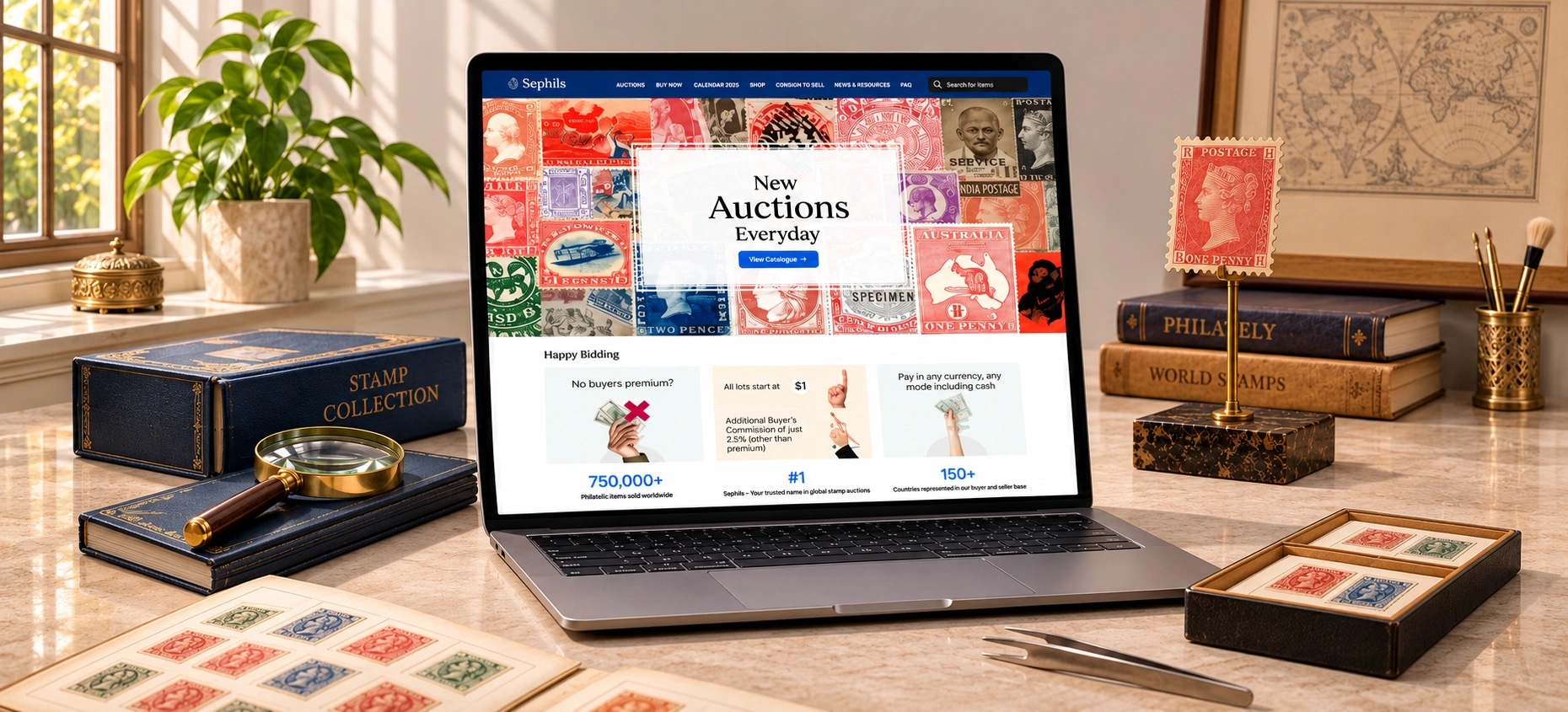
Global stamp auctions, live bidding and AutoBid, alongside catalogue search, ERP and collector education for Sukhani Stamps, also known as Sephils.
Overview
Webbies’ work for Sukhani Stamps combines the Sephil’s global auction platform with catalogue search, customer workflows and collector education. These are parts of the same client portfolio, connecting collector participation with the operations behind a stamp business.
Context and Challenge
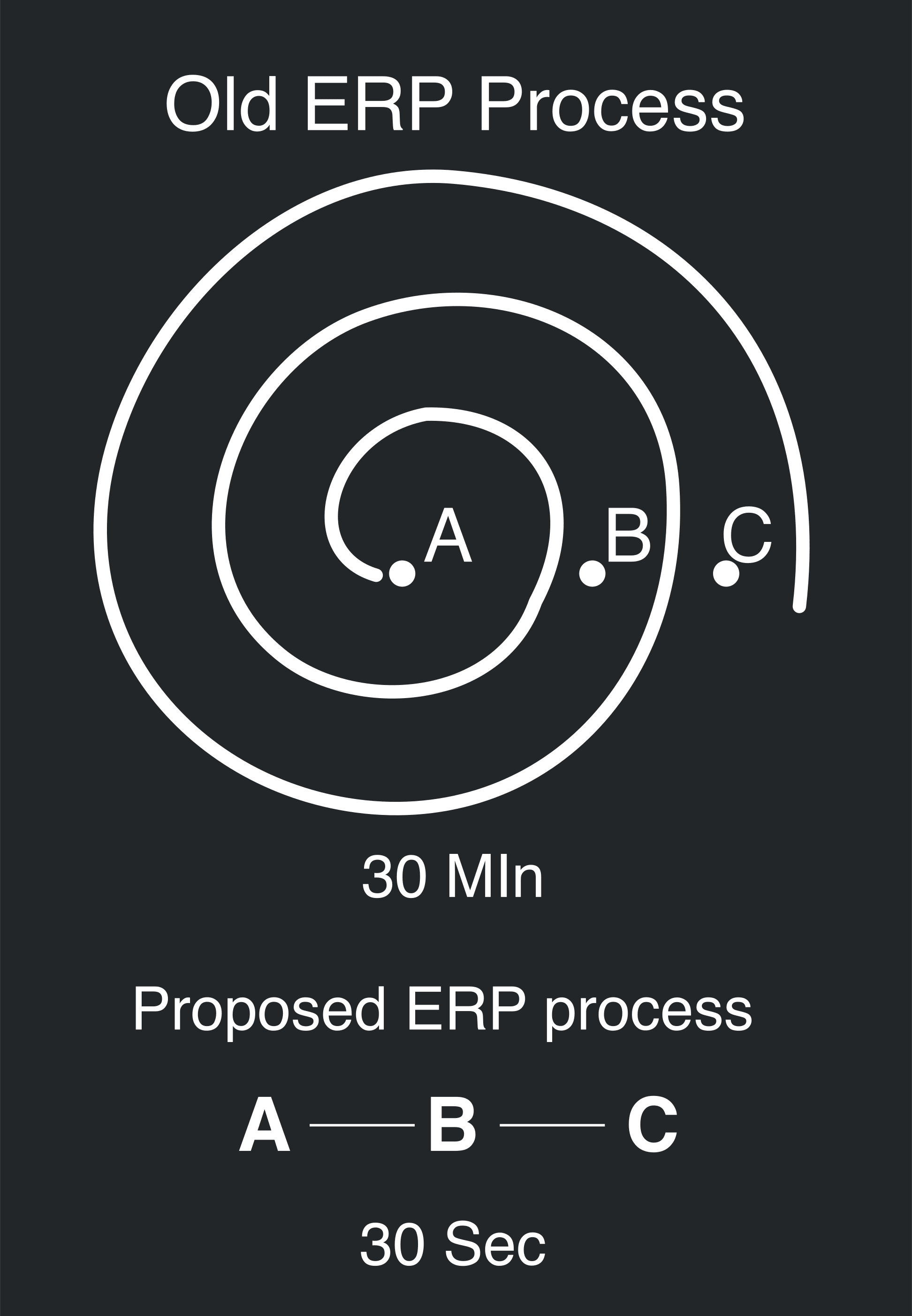
Sukhani Stamps needed to serve collectors while managing a deeply classified catalogue. Staff previously relied on numerical indices and manual calculations; collectors also needed clear routes to auctions and accessible ways to enter the hobby.
Solution
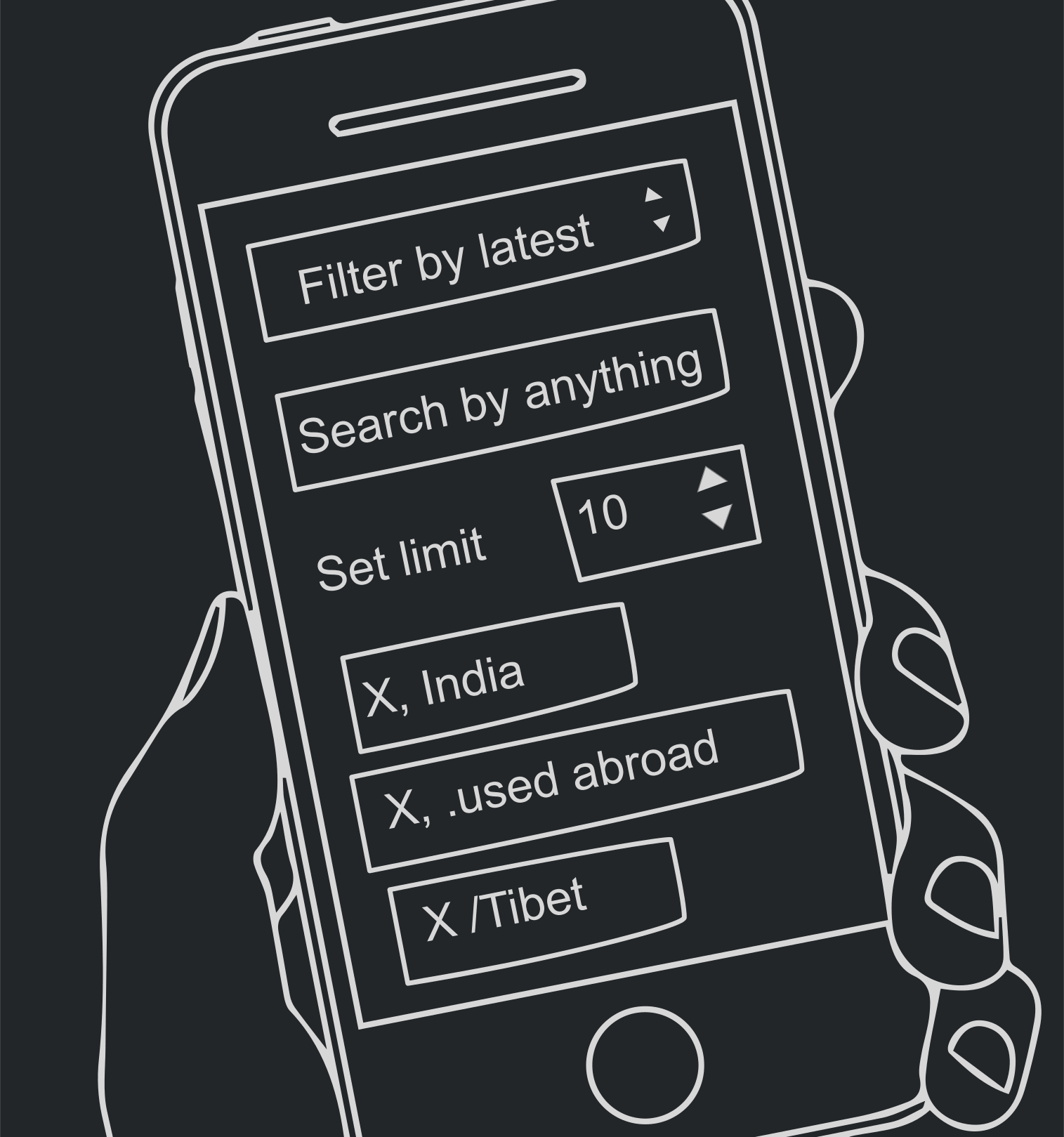
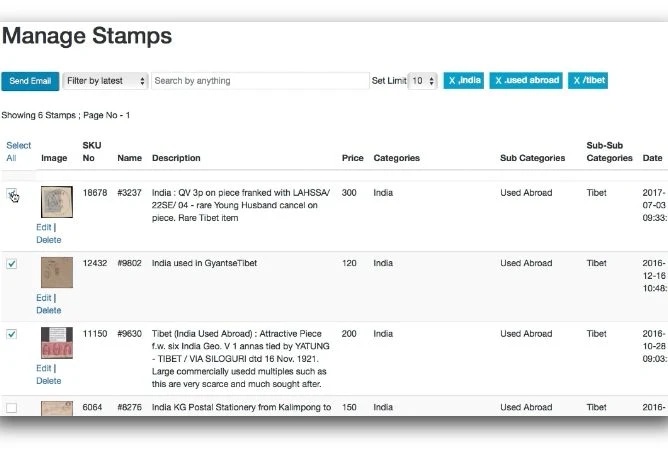
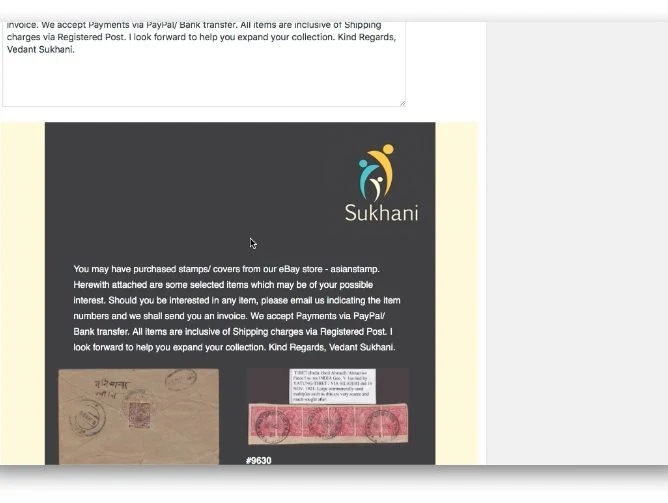
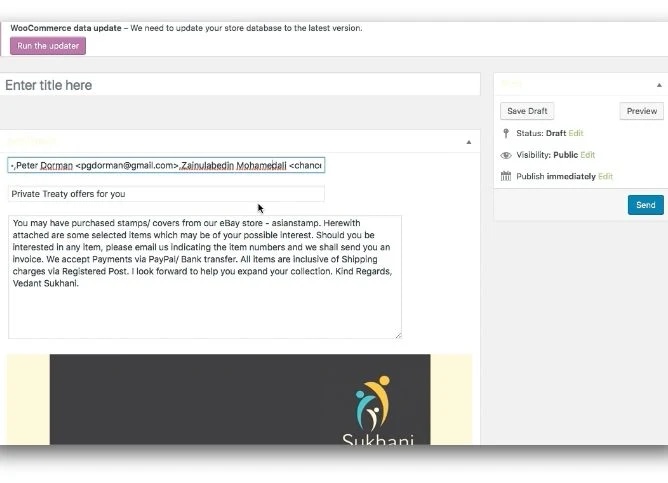
Webbies connected catalogue search, customer records and sales communication. Symbol-based search addresses category levels and combines filters, while customer-interest mapping supports relevant proposals and targeted mailing lists.
For the same client, Sephil’s online auction platform brings global auction discovery, live bidding and AutoBid together. The engagement also includes Strapi content management, stamp-commerce routes for buyers and sellers, branded collections and a 14-day collector email course.
The Outcome
The client portfolio now covers both operational catalogue workflows and collector-facing experiences. Auction navigation, realizations and automated bidding sit alongside catalogue search, customer records, tailored proposals and collector education.
The Impact
Staff can connect a stamp search with a relevant customer proposal, while collectors have routes from discovery to auction participation. This describes the functional benefit of the delivered scope; no unverified revenue-growth or bidding-performance figures are asserted.
Features
Global auction discovery
The platform introduces auctions through a schedule organized around international regions. This presentation gives collectors a starting point for exploring auction opportunities across different markets. Auction navigation and an item search field provide additional visible routes into the experience.
Live bidding
Live bidding is a stated capability of the platform. It enables the auction experience to extend from browsing to active participation. The source does not specify how bid updates are delivered, how auction timing works, or how competing bids are resolved.
AutoBid service
Automated bidding is highlighted in the project brief and appears as a dedicated AutoBid Service navigation item. It gives the platform a further mode of auction participation alongside live bidding. Bid limits, increment rules, and the precise automation behavior are not described in the supplied material.
Connected collector navigation
The visible navigation brings auctions, realizations, shopping, consignment, AutoBid, and the cart into the same interface. These destinations support a broader collector journey, from discovering auction opportunities to exploring related services and information.
Content management with Strapi
Strapi is the CMS specified for this case study. In the conceptual architecture below, it occupies the content management role, distinct from bidding functions. The source does not establish the exact content models, integrations, or administrative workflows used in the implementation.
The experience connects three collector needs:
Discover: Explore auction information, regional scheduling, and item search.
Participate: Access the stated live bidding and AutoBid capabilities.
Explore further: Navigate to realizations, shopping, and consignment information.
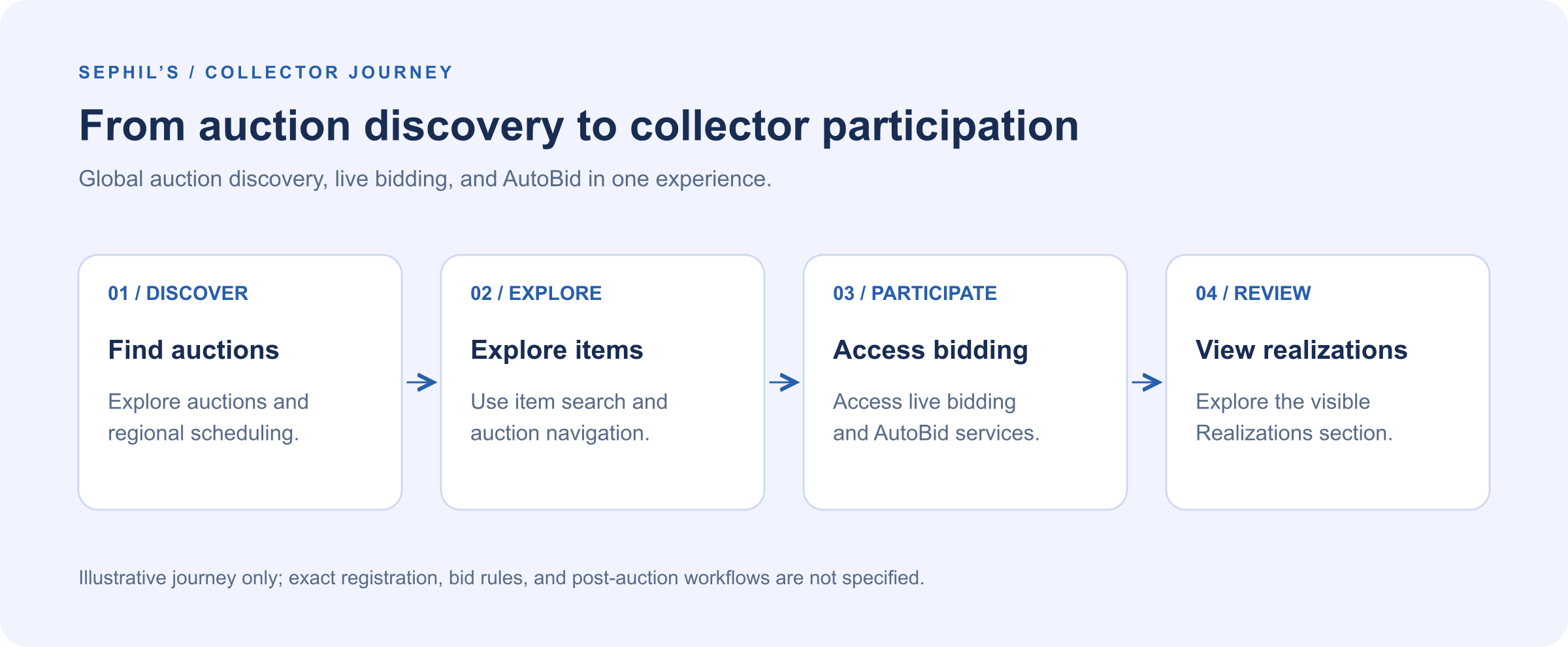
Illustrative journey based on the supplied capabilities and visible navigation. It does not establish the exact registration, bidding, or post-auction workflow. Symbol-based catalogue search
Keyboard-friendly symbols address categories and subcategories, allowing staff to narrow a search without navigating a long sequence of screens.
Customer interest mapping
Customer records capture collecting preferences so catalogue items can be considered in the context of relevant interests.
Tailored proposals and mailing lists
Staff can prepare branded proposals from selected products and identify customer groups for relevant outreach.
Collector education and stamp commerce
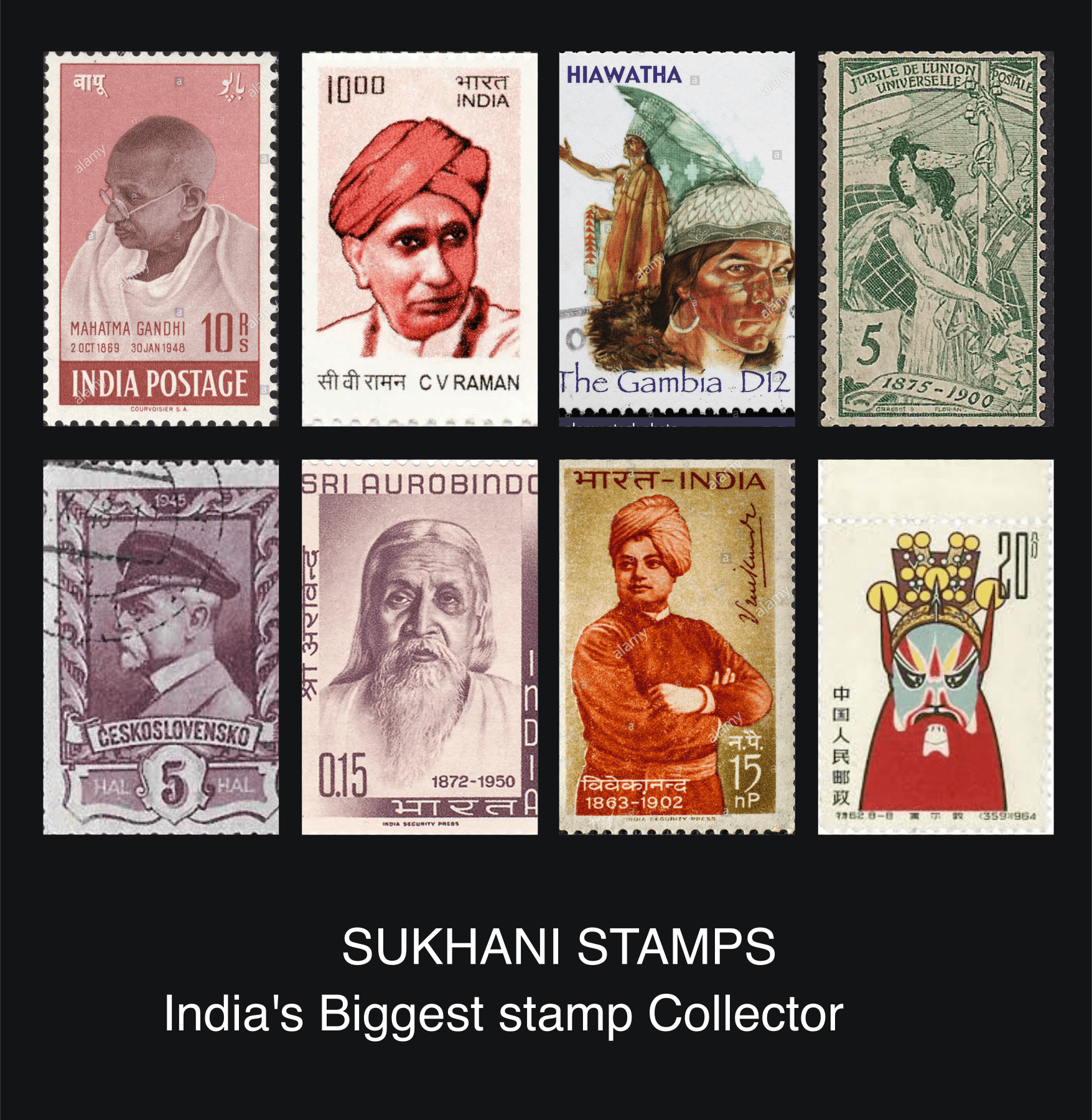
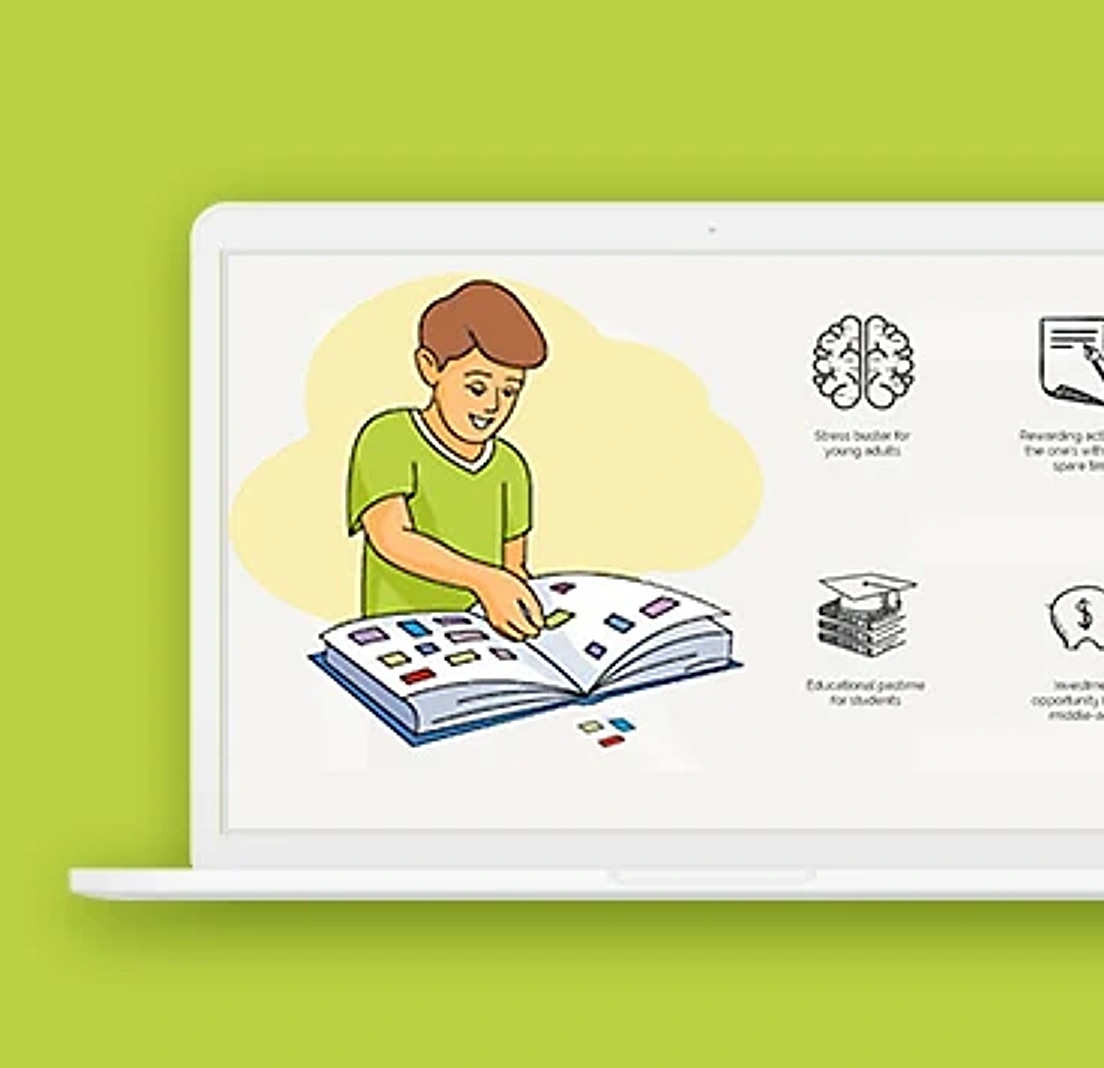
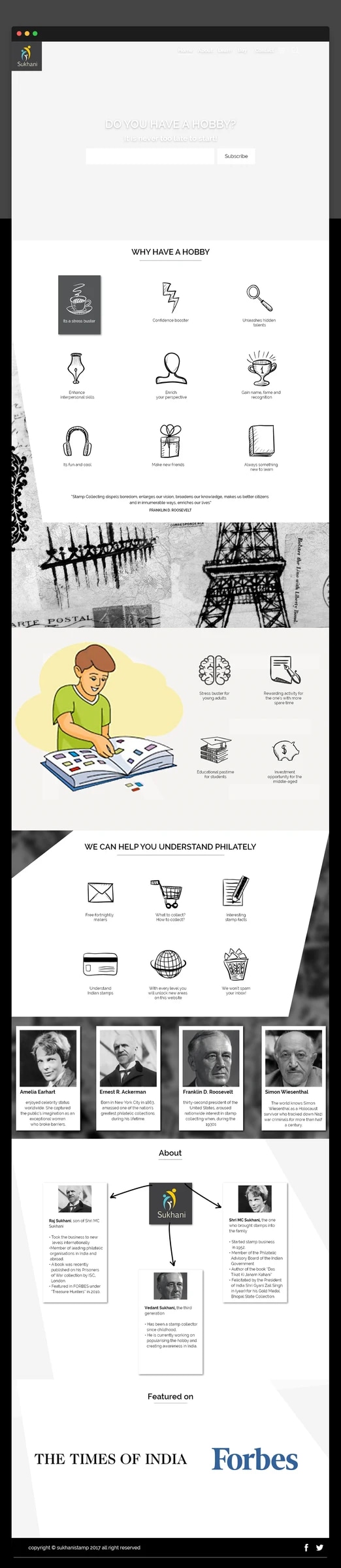
The stamp-commerce work introduces collectors to philately through a 14-day email course, branded stamp collections and dedicated areas for buyers and sellers. Educational content gives newcomers a way to understand the hobby before exploring rare and valued stamps.

Explore further
Let’s make a start
Tell us what
you have in mind.
Choose a service to start the conversation.
Continue with AI development & generative AI